
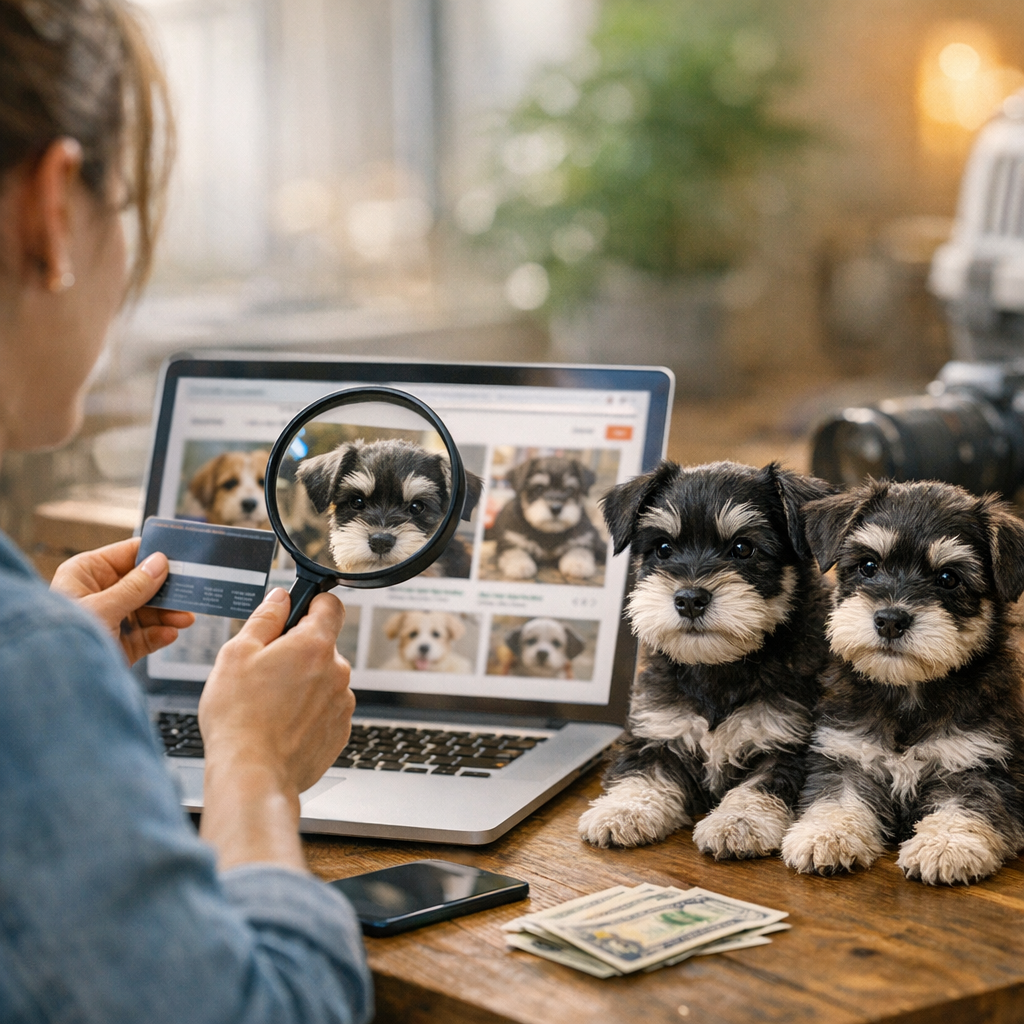
Puppy scams are alarmingly common in today’s digital world, especially as demand for specific breeds like mini and teacup schnauzers continues to grow. As reputable breeders, like those specializing in schnauzers, strive to enhance trust, it’s crucial for buyers to know how to identify common red flags and avoid heartache — and financial loss. This article will help you become a savvy buyer and arm you with the knowledge to distinguish real breeders from cunning scammers.
Why Are Puppy Scams on the Rise?
The COVID-19 pandemic ignited a substantial surge in demand for puppies, particularly among breeds known for their charm and suitability for various lifestyles — like mini and teacup schnauzers. As legitimate breeders work to responsibly meet this demand, scammers have moved in to exploit unsuspecting buyers online. According to the Better Business Bureau (BBB), pet scams have become the most reported type of online scam involving purchases, with the number of complaints rising each year.[^1]
Recent Statistics on Puppy Scams
- The BBB reported that over 80% of online puppy ads were likely frauds.[^1]
- The American Kennel Club (AKC) estimates that Americans lost over $1.3 million to puppy scams.[^2]
- The Internet Crime Complaint Center (IC3) received more than 5,000 reports of pet scams, with average individual losses of $850.[^3]
Common Puppy Scam Red Flags
Fraudsters often appeal to the emotions of dog lovers with irresistible photos, too-good-to-be-true offers, and fake stories. Here are warning signs to watch for:
1. Unrealistic Prices
Quality mini and teacup schnauzers are rarely cheap. If you see a puppy for far less than the market average, it’s likely a scam.
2. Stock Photos and Vague Descriptions
Scammers typically use stolen images from the internet. Reverse-image searching puppy photos can reveal if the pictures are widely used online or linked to other dubious listings.
3. Unwillingness to Video Chat or Provide More Media
A reputable breeder will happily share photos, videos, or arrange a live video call with the puppy. Scammers avoid live communications or always have an excuse for not showing the puppy in real time.
4. Pressure Tactics and Emotional Manipulation
Scammers attempt to pressure buyers into sending money quickly, using tactics such as “act now or the puppy will be given to someone else.” Any breeder pressuring for immediate payment is suspect.
5. Untraceable Payment Methods
Beware of requests for payment through gift cards, wire transfers, Venmo, or Zelle. Genuine breeders usually accept standard, secure payment options and provide proper documentation.
6. No Physical Address or Fake Websites
A real breeder has an established location and a legitimate presence—like a professionally run website with authentic testimonials and contact information.
7. No Health Guarantees, Contracts, or Transparency
Official breeders provide health records, contract agreements, vaccination documents, and explain the puppy’s upbringing openly. A lack of paperwork is a glaring red flag.
Tips to Avoid Puppy Sale Scams
1. Research the Breeder
- Look up the breeder’s name and business. Check for a professional website, reviews, and testimonials. For schnauzers, look for membership in recognized breed clubs or registries.
- Use the American Kennel Club’s breeder directory and verify their status.
2. Ask for References
- Legitimate breeders will gladly provide references from other recent buyers. Speak directly with past customers when possible.
3. Get Everything in Writing
- Obtain a contract outlining health guarantees, refund policies, and commitments for vaccinations or microchipping.
- Request a bill of sale and vet records.
4. Visit the Breeder (Virtually or In Person)
- If possible, arrange to see the puppies and the breeder’s facilities in person. If distance is an issue, ask for a live video tour showing the environment and interacting with the puppies.
5. Be Skeptical of Third-Party Shipping Services
- Scammers may invent shipping fees or use fake courier services. Official breeders discuss trusted, verifiable means of transport and provide legitimate tracking.
What to Do if You Suspect a Scam
If you think you’ve encountered a puppy scam, do the following:
- Report It: File a complaint with the BBB’s Scam Tracker, the Federal Trade Commission (FTC), and the Internet Crime Complaint Center (IC3).
- Notify Payment Providers: If you have already sent money, contact your bank or payment provider to attempt to halt the transaction.
- Warn Others: Share your experience online and in social media groups to help protect the community.
Choosing an Official, Trustworthy Breeder
Buying from an established, responsible breeder like those specializing in mini and teacup schnauzers ensures not only the puppy’s health and temperament but also your peace of mind. What sets official breeders apart?
- Transparency: Open communication, detailed introductions to puppies and parents, and documentation.
- Ethical Practices: Compliance with animal welfare standards.
- Ongoing Support: Education, support, and contact after the sale.
Always verify the breeder’s credentials, ask the right questions, and trust your instincts. When in doubt, walk away and keep your search safe!
Conclusion
Online puppy scams are a growing threat, but armed with research, vigilance, and the right questions, buyers can find their dream mini or teacup schnauzer safely. Prioritize breeders who value transparency and have a trusted reputation — and never rush an emotional purchase without due diligence.
References
[^1]: Better Business Bureau, “Puppy Scams: How Fake Online Pet Sellers Steal from Unsuspecting Consumers,” 2023, https://www.bbb.org/article/news-releases/24291-bbb-2023-puppy-scams [^2]: American Kennel Club, “Buyer Beware: How to Avoid Pet Scams,” 2023, https://www.akc.org/expert-advice/news/how-to-avoid-puppy-scams/ [^3]: FBI Internet Crime Complaint Center (IC3), “2023 Internet Crime Report,” https://www.ic3.gov/Media/PDF/AnnualReport/2023_IC3Report.pdf